This is the investigation. The duel is the same case with a second seat. The range is the same case in a city. The hunter is the same case with a scope. One stamp. One rule.
Every case in the Book is a document somebody tampered with — and got away with, until now. Find the lie. Prove you found it. A machine — not a friend, not a feeling — checks your work and stamps your name into the ledger. You can't fake your way in. That's the whole point.
Play the first caseOn your phone: Share, then Add to Home Screen. The icon opens this page.
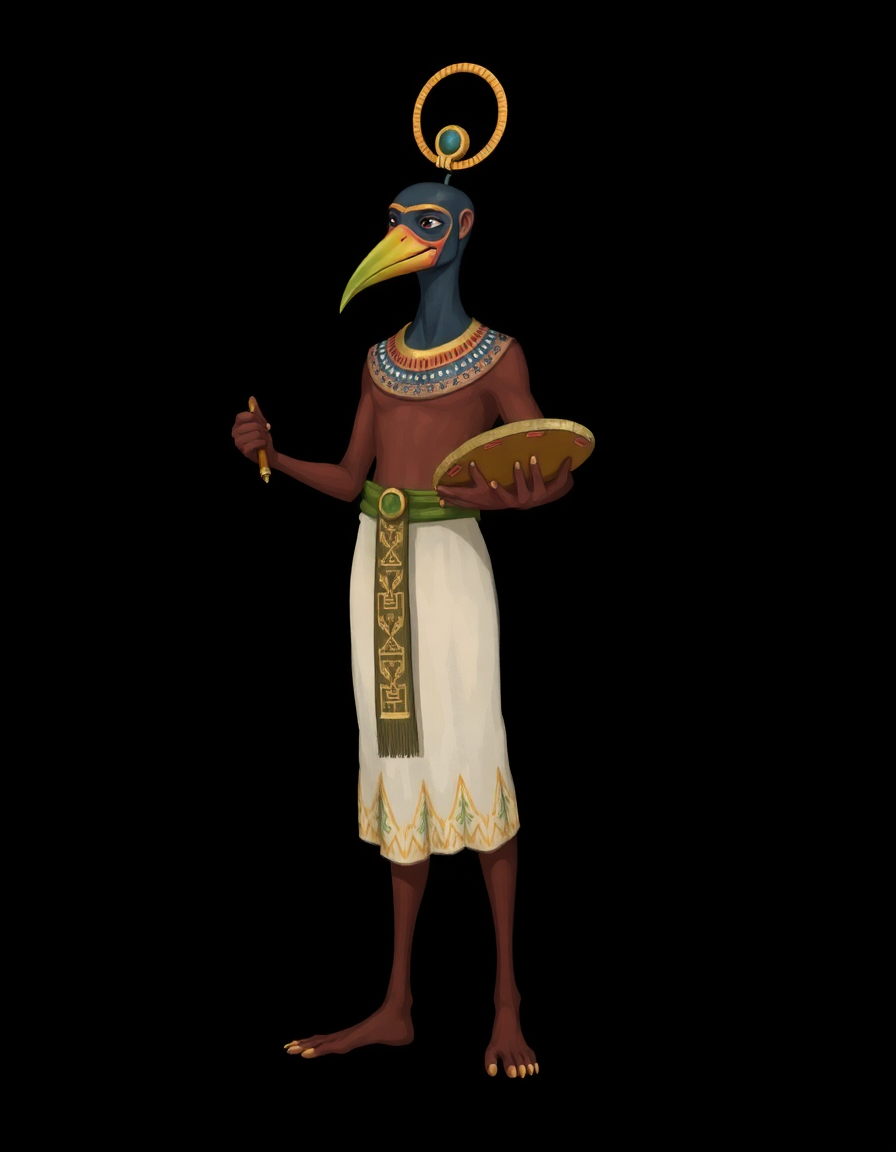
Guiding every case: Athelgard, your Game Master. She watches your investigation, banks your evidence, and refuses to let you guess. She never solves it for you — you submit, the kernel verifies.

Here's the game. Every case is a real-feeling historical document — a courier's route card, a dispatch roll — that somebody tampered with before it reached you. Your job: figure out which line was changed, and what was changed.
There's no multiple choice, no hints button, no timer. Just you, the document, and your brain. The trick that cracks the case isn't hidden — it's printed right there on the card. The game never tells you the answer. It only tells you when you're right.
And when you are right? The game writes your name into its ledger — and the ledger is guarded by math, not by trust. Nobody can fake a win. Not you, not a script, not a very clever friend.
Look closely. Notice what doesn't fit. Test a hunch. This is the same skill that catches real fraud, real tampering, real phishing — dressed as a mystery.
The second case wears a different costume — different century, different words — but hides the same trick. If you truly learned how, you'll solve it instantly. If you only memorized, you'll be lost.
Your wins are recorded by a server that never shares its answers and never accepts a guess. When the Book says you solved it, you solved it.
Wrong answers all look identical — the game won't even tell you which part you got wrong. You can't grind it, bribe it, or trick it.
Diegetic raycaster viewport, active behavior tree state, and live campaign channels. One screen, four disciplines.
Case two deliberately doesn't look like case one. That's the point — and it's where you find out what you really learned.
A tavern’s night tally, sealed line by line. One number grew after the seal went on. Three lines, one rule, five minutes — the gentlest possible start, and it teaches the whole method: recompute, name the lie, state what would prove you wrong. Start here.
Play Case Zero →A lighthouse keeper’s night, logged the moment each thing happens. One line’s time was moved after the seal went on — and the keeper’s one habit betrays it: he never writes a line before the thing above it happened. Four lines, one habit, your second stamp.
Play Case Half →A parish burial register, sealed row by row. The clerk’s own rule is printed on every page — three shillings a soul — and one row’s fee was raised after the seal went on, so it no longer agrees with its own count. Recompute, then check the arithmetic. Your third stamp.
Play Case Two-Thirds →A courier's route card, stamped at every stop along a foggy moor road. One line was quietly rewritten after the stamps went on. The card itself shows you where to look — if you check its math. Rebuild the numbers, spot the line that doesn't add up, say what was faked and what would prove you wrong. That last part matters: a claim without a test isn't detective work, it's guessing.
Open Case One →
The king's post stations between Susa and Sardis, two thousand years and a continent from Dartmoor. Different words, different world, same kind of crime. Nothing you memorized in case one will save you here — only the habit of checking. If you learned the habit, you'll smile when you see it. If not, the moor taught you nothing.
Open Case Two →
The Book contains thirty centuries of courier forgeries. Two are open now; the rest unlock as they are released. One-time purchase, lifetime access. Payment buys access. Proof earns the solve.
Open The Casebook · $29 →Every case trains a reflex you can use the next day: check the record, don't trust the story. It's the reflex behind spotting fraud, verifying news, auditing code, surviving phishing. The Book just makes it feel like a mystery novel.
Verification. Reading a document and asking: could this have happened the way it claims? That question catches forgers in 1897 and phishers next Tuesday.
You must state what would prove you wrong before you submit. That's not bureaucracy — it's the whole discipline of honest thinking, in one text box.
A solved case, a recorded win, and a habit. The habit is the prize; the receipt just proves you were there.
✝ THE COSTUME CHANGES · THE TRICK DOESN'T ✝
The Book stands behind seven live doors of the MakoThoth estate. Each one below carries you into the same investigation. Enter by whichever road you found first.
Two doors in the estate open onto other products and are not doors of the Book: moorpost.io is the Princetown Packet — the clerk’s rally-CTF, its own product — and athelix.io is the Athelix chamber. Seven doors, one road, one ledger.
One engine, thirty centuries of forgeries. Each case below is a new world wearing the same crime — Roman post roads, Mongol relay stations, Templar letters, Silk Road caravanserais. The rest unlock as they're built.